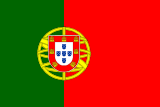
Things To Do in Portugal (2026)
Plan your 2026 trip to Portugal – best time to visit, visas, safety, daily costs, top attractions, Lisbon, Porto, Sintra, Algarve, Madeira, Azores, Douro Valley, Coimbra, Braga, Aveiro, Évora, Cascais, Óbidos, beaches, food, culture and practical travel advice for one of Europe’s most loved Atlantic destinations.
Portugal Country Facts & Travel Information
Did You Know?
- Mainland plus islands: Portugal is not only Lisbon and Porto. The country includes mainland Portugal plus the Atlantic island regions of Madeira and the Azores, giving travelers cities, beaches, mountains, volcanic lakes and island escapes in one destination.
- Lisbon is only the beginning: Lisbon has Belém Tower, Jerónimos Monastery, Alfama, tram routes and viewpoints, but Portugal also shines through Porto, Sintra, Coimbra, Braga, Évora, Faro, Funchal, the Douro Valley, the Algarve, Madeira and the Azores.
- Portugal’s highest point: The highest mountain in Portugal is Mount Pico in the Azores, rising to about 2,351 meters. It is one of the country’s most dramatic natural symbols.
- UNESCO heritage: Portugal has 17 UNESCO World Heritage properties, including the Monastery of the Hieronymites and Tower of Belém, Sintra, Porto’s historic centre, Évora, Batalha, Alcobaça, Tomar, the Douro Valley, Guimarães and Laurisilva Forest of Madeira.
- Azores island variety: The Azores are made up of nine main islands, including São Miguel, Pico, Terceira, São Jorge, Faial, Flores, Santa Maria, Graciosa and Corvo — each with a different mix of volcanic scenery, viewpoints, hiking, lakes and coastal villages.
- Madeira is a nature trip by itself: Madeira works almost like a complete island itinerary, with Funchal, Monte Palace, Pico do Arieiro, Cabo Girão, Laurisilva Forest, levada walks, Porto Moniz natural pools, Santana houses and dramatic Atlantic viewpoints.
- Atlantic coast culture: Portugal’s coast is central to its travel identity, from Cascais, Ericeira and Nazaré to the Algarve cliffs, Ria Formosa, Costa Vicentina, Comporta, Porto Covo and the Berlengas Islands near Peniche.
- Four-season destination: Portugal is not only a summer beach country. Spring is excellent for cities, flowers and road trips, autumn is great for wine regions and mild weather, and winter works well for Lisbon, Porto, Madeira, museums, food trips and lower-crowd sightseeing.
- Family-friendly travel: Portugal works very well for families thanks to beaches, aquariums, castles, old towns, boat trips, easy food, scenic viewpoints, short hikes, relaxed hotels and manageable travel distances.
- Food variety: Portugal is known for seafood, grilled fish, soups, stews, olives, cheese, pastries, fruit, bread, rice dishes, cod-based meals, regional cakes and island specialties from Madeira and the Azores.
- Halal-aware travel needs planning: Lisbon, Porto, Faro, Funchal and larger tourist areas have more vegetarian, seafood and halal-friendly options than smaller towns. Strict halal travelers should confirm meat source, pork, wine-based sauces, shared grills, gelatin and cross-contact directly.
- Cash is still useful: Cards are common in hotels, cities and many restaurants, but cash can still help for small cafés, village shops, local buses, beach parking, markets, rural attractions, ferries, tolls and family-run places.
- Tap water is generally fine: Tap water is generally safe to drink in Portugal, including major cities such as Lisbon and Porto. Some travelers may still prefer bottled water on islands or in rural areas because of taste, plumbing, mineral content or local guidance.
- Etiquette matters: Respect churches, monasteries, viewpoints, protected dunes, nature trails and historic streets. Dress modestly in religious places, avoid damaging azulejo tiles or old walls, follow wildfire and cliff-safety notices, and drive carefully on narrow village or island roads.
- Evenings do not have to mean nightlife: Family-friendly evening options include sunset viewpoints, old-town walks, riverfront promenades, tram rides, waterfront dinners, gelato stops, illuminated monuments, food markets, viewpoints, cultural shows and relaxed seaside walks.
Frequently Asked Questions
Do I need a visa or Schengen visa to visit Portugal?
Entry rules depend on your nationality, passport and trip purpose. Portugal is in the Schengen Area, so many visa-exempt travelers can visit for short tourism stays of up to 90 days in any 180-day period. Travelers from non-exempt countries usually need a Schengen short-stay visa before arrival. Always check the official Portugal or Schengen rule for your passport before booking.
When is the best time to visit Portugal?
April to June and September to October are often the best months for Lisbon, Porto, Sintra, the Douro Valley, Algarve walks, road trips and lower heat. July and August are peak summer months for beaches and islands, with higher prices and busier coastal towns. Madeira and parts of southern Portugal can work well for mild winter escapes.
Is Portugal safe for tourists?
Portugal is generally safe for tourists, especially in major travel areas. Use normal awareness in crowded trams, metro stations, viewpoints, markets, beach areas, ferry ports and nightlife districts. In summer, take heat, wildfire warnings, cliff edges, sea conditions, mountain weather and rural driving seriously.
Can I drink tap water in Portugal?
Tap water is generally safe to drink in Portugal, including Lisbon, Porto and most mainland areas. Some travelers use bottled water on islands or in rural places because of taste, old pipes, mineral content or local advice. When unsure, ask your hotel, restaurant or accommodation host.
What emergency numbers should tourists know in Portugal?
Dial 112 for emergency help in Portugal. This is the main emergency number for ambulance, fire and police help. Hotels, police stations, visitor centers, ferry staff and local guides can often help with location details and language support if needed.
What is the best way to get around Portugal?
For Lisbon and Porto, use metro, trams, buses, trains, taxis, ride apps and walking. For Sintra, Cascais, Braga, Coimbra, Évora and Faro, trains and buses can work well. For the Douro Valley, Algarve beaches, Alentejo villages, Peneda-Gerês, Madeira viewpoints and Azores islands, a rental car or organized day trip is often easier than relying only on public transport.
How many days do I need in Portugal?
5 to 7 days works for Lisbon, Sintra and Porto or a short Lisbon-plus-Algarve route. 10 to 14 days is better for Lisbon, Porto, Sintra, Douro Valley, Coimbra, Évora and the Algarve. For Madeira or the Azores, add extra days instead of trying to squeeze everything into one rushed mainland itinerary.
Is Portugal good for halal travelers?
Portugal can work for halal-aware travelers, especially in Lisbon, Porto, Faro, Funchal and larger tourist areas. Seafood, vegetarian dishes, soups, salads, rice, fruit, pastries and simple grilled options are widely available, but strict halal travelers should confirm meat source, pork, wine-based sauces, shared grills, gelatin and kitchen cross-contact before ordering.
Is Portugal good for families?
Yes. Portugal is strong for family travel because of beaches, aquariums, castles, old towns, riverfront walks, boat trips, gardens, short hikes, relaxed hotels, mild weather and warm hospitality. Families should avoid overpacking the route, because transfers, hills, summer heat and island weather can be tiring with children.
What should I wear in Portugal?
Pack comfortable walking shoes, breathable clothing, sun protection, swimwear and a light layer for evenings, ferries, mountains or windy viewpoints. Lisbon, Porto, Sintra and many old towns have hills and cobblestones, so good shoes matter. For churches and monasteries, modest clothing is useful and respectful.
Is Lisbon, Porto or the Algarve better for a first Portugal trip?
Lisbon is best for first-time landmarks, Belém, Alfama, viewpoints, museums and easy Sintra or Cascais day trips. Porto is best for riverside atmosphere, azulejo tiles, historic streets and Douro Valley access. The Algarve is best for beaches, cliffs, caves and family-friendly coastal holidays. A strong first itinerary often combines Lisbon and Porto, then adds either Sintra, Douro Valley or the Algarve.
Are Madeira and the Azores worth adding to a Portugal itinerary?
Yes, but they deserve time. Madeira is best for mountains, gardens, levada walks, viewpoints and year-round nature. The Azores are best for volcanic lakes, hot springs, hiking, remote landscapes and island-hopping. If you only have one week, focus on mainland Portugal or one island region instead of trying to do everything.
What are better family-friendly evening alternatives to nightlife in Portugal?
Good options include sunset viewpoints, old-town walks, riverfront promenades, tram rides, waterfront dinners, gelato stops, illuminated monuments, cultural shows, evening boat rides, food markets, seaside walks and relaxed shopping streets.
What voltage and plug type does Portugal use?
Portugal uses 230V electricity at 50Hz. The main plug types are Type C and Type F. Visitors from the UK, USA, Canada, Australia and many non-European regions usually need a plug adapter, and some devices may need voltage compatibility.