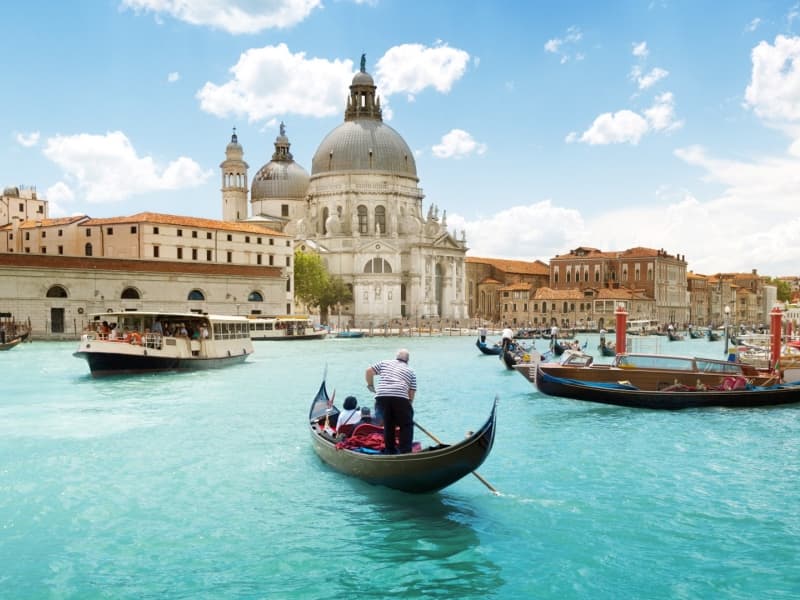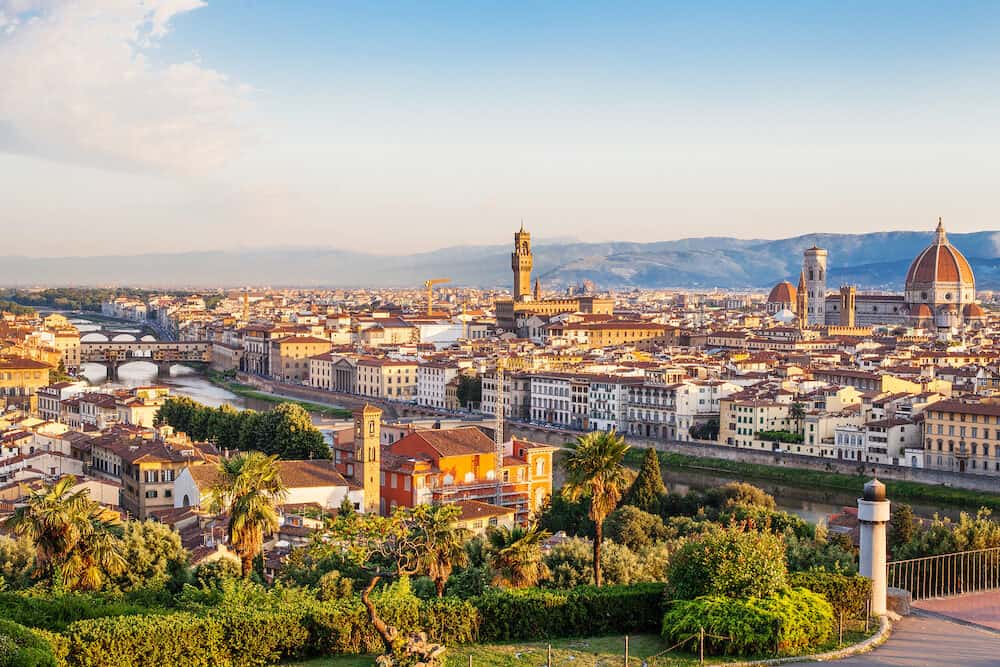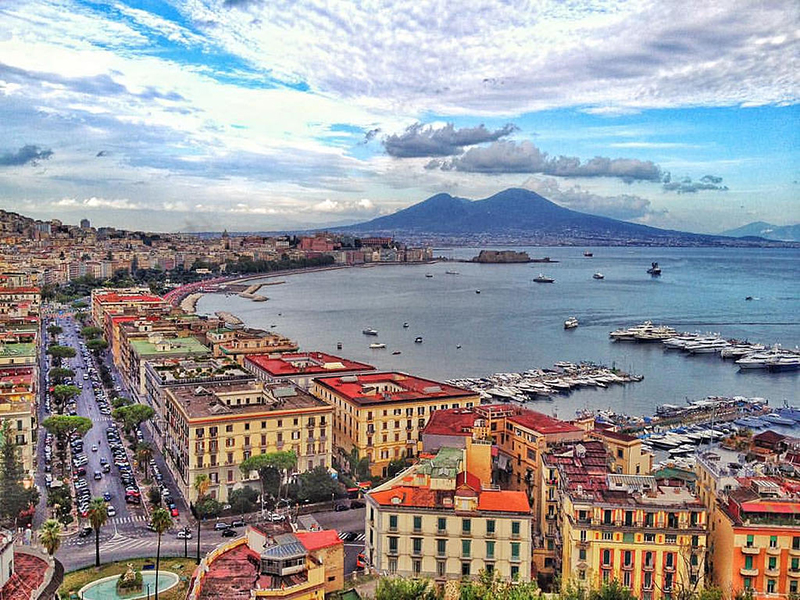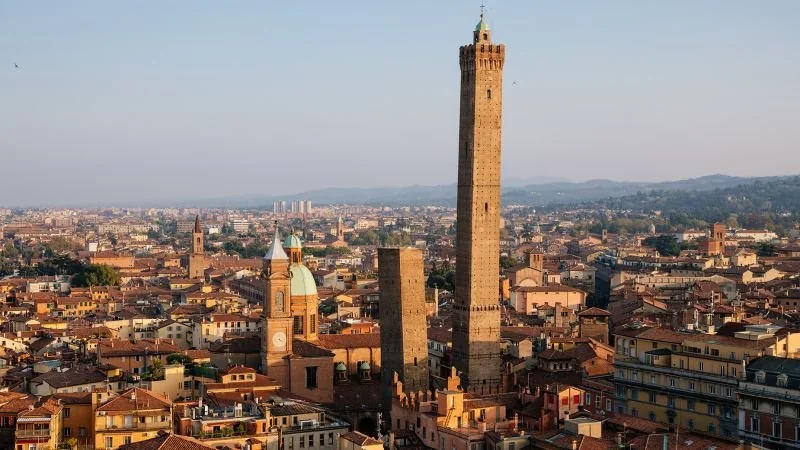
Things To Do in Italy (2026)
Plan your 2026 trip to Italy – best time to visit, visas, safety, daily costs, top attractions, Rome, Venice, Florence, Milan, Naples, Bologna, Turin, Sicily, Sardinia, the Amalfi Coast, Tuscany, the Dolomites, Lake Como, food, culture and practical travel advice for one of Europe’s most iconic destinations.
Italy Country Facts & Travel Information
Did You Know?
- Huge travel variety: Italy combines ancient Roman landmarks, Renaissance art, alpine mountains, Mediterranean islands, coastal villages, lakes, volcanoes, cave towns, family attractions and world-class city breaks in one country.
- Rome is more than one city experience: Rome works as an ancient-history stop, Vatican art base, food city, piazza-walking destination and day-trip hub for Tivoli, Ostia Antica and nearby countryside towns.
- More than Rome, Venice and Florence: First-time visitors often choose Rome, Venice, Florence, Milan and Naples, but places like Bologna, Turin, Verona, Genoa, Siena, Matera, Lecce, Trento and Palermo can feel more local and authentic.
- Rail travel is very useful: Italy’s train network makes many city-to-city routes easy, especially Rome–Florence, Florence–Venice, Milan–Venice, Rome–Naples and Bologna connections.
- Ancient Roman history is everywhere: Beyond the Colosseum and Roman Forum, Italy has Pompeii, Herculaneum, Verona Arena, Ostia Antica, Roman baths, amphitheaters, roads, villas and archaeological parks across the country.
- Art capital of Europe: Florence, Rome, Venice, Milan, Naples, Turin and Bologna all offer major museums, churches, palaces, sculpture, frescoes and Renaissance or Baroque masterpieces.
- Natural extremes: Italy has the Dolomites, Alps, volcanoes like Vesuvius and Etna, Mediterranean islands, thermal springs, alpine lakes, caves, river valleys and dramatic coastlines.
- Island variety is strong: Sicily, Sardinia, Capri, Ischia, Procida, Elba and the Aeolian Islands all offer very different landscapes, beaches, old towns, food traditions and ferry routes.
- Family-friendly evenings: Good alternatives to nightlife include piazza walks, sunset viewpoints, gelato stops, evening river walks, coastal promenades, family restaurants, illuminated landmarks and cultural performances.
- Regional identity is strong: Tuscany, Lazio, Veneto, Lombardy, Campania, Sicily, Sardinia, Puglia, Liguria, Piedmont, Emilia-Romagna and South Tyrol can feel very different in food, architecture, language rhythm, scenery and travel style.
- Halal-friendly options exist: Rome, Milan, Venice, Florence, Naples, Bologna and Turin can offer halal-friendly restaurants or vegetarian/seafood alternatives. Strict halal travelers should confirm ingredients, meat source and kitchen preparation directly.
- Best first-time rhythm: A balanced Italy itinerary usually works better when it combines one ancient city, one art city, one coastal or lake stop and one slower countryside or small-town experience.
- Distances can surprise visitors: Italy looks compact, but north-to-south travel takes time. Milan to Sicily or Venice to Amalfi Coast is not a quick hop unless you plan trains, flights or overnight stops carefully.
- Travel seasons matter: Spring and autumn are often the best-balanced months for cities, Tuscany, Amalfi Coast, lakes and sightseeing. Summer is popular but hot and busy, while winter works well for museums, Christmas markets, skiing and quieter city breaks.
- Small towns are a major strength: Civita di Bagnoregio, Alberobello, Matera, Orta San Giulio, Pitigliano, Camogli, Portovenere, Noto, Scanno and Castelmezzano show how much Italy offers beyond the famous headline cities.
Frequently Asked Questions
Do I need a visa to visit Italy?
Italy is part of the Schengen Area, so visa rules depend on your nationality, passport, trip length and purpose of travel. Some travelers can enter visa-free for short stays, while others need a Schengen visa before travel. Always check the official rule for your passport before booking.
When is the best time to visit Italy?
April to June and September to October are often the best-balanced months for Rome, Florence, Venice, Tuscany, Amalfi Coast and classic sightseeing routes. July and August can be hot and crowded, while winter is better for museums, skiing, Christmas markets and quieter city breaks.
Is Italy safe for tourists?
Most major tourist areas are manageable with normal travel awareness. Keep your passport secure, watch bags in crowded stations and busy squares, avoid unlicensed guides, use official taxis or trusted transport apps where available and be careful with tourist scams around famous landmarks.
Can I drink tap water in Italy?
Tap water is generally safe to drink in most Italian cities and towns. Many places also have public drinking fountains, especially in Rome. If a sign says non potabile, it means the water is not for drinking.
What emergency number should tourists know in Italy?
The main emergency number in Italy and across the European Union is 112. It can connect you to emergency help. Hotels, local hosts and visitor centers can also help with translation and non-emergency support.
What is the best way to get around Italy?
For many city-to-city routes, trains are one of the best options. High-speed trains are useful between major cities, while regional trains work for smaller towns. In cities, walking, metro, trams and buses are common. Ferries are important for islands and coastal areas.
How many days do I need in Italy?
7 to 10 days is enough for one classic route, such as Rome, Florence and Venice. For a more comfortable trip with Amalfi Coast, Tuscany, Milan, Naples or lakes, 12 to 14 days works better. For Sicily, Sardinia or several regions, plan more time.
Is Italy good for halal travelers?
Italy can be manageable for halal travelers, especially in larger cities such as Rome, Milan, Florence, Venice, Naples, Bologna and Turin. Vegetarian, seafood and halal-friendly restaurants can help, but strict halal travelers should confirm certification, meat source and cross-preparation directly.
Can tourists drive in Italy?
Many tourists drive in Italy for Tuscany, the Dolomites, Puglia, Sicily, Sardinia and countryside routes. In big cities, driving is usually less convenient because of traffic, parking and restricted traffic zones called ZTL. Always check license rules, insurance, tolls and parking before renting a car.
What should I wear in Italy?
Comfortable walking shoes are essential because historic centers often have cobblestones and stairs. Bring modest clothing for churches, basilicas and religious sites. For summer, pack light breathable clothes; for spring and autumn, bring layers; for mountains and winter trips, pack warmer gear.
Is Rome or Florence better for a first Italy trip?
Rome is better for ancient history, Vatican City, major landmarks and a big-city first impression. Florence is better for Renaissance art, walkable streets, Tuscan charm and museums. For a first Italy trip, combining both gives a strong mix of history, art and atmosphere.
What are better family-friendly evening alternatives to nightlife in Italy?
Good options include piazza walks, gelato stops, sunset viewpoints, river walks, coastal promenades, illuminated landmarks, family restaurants, evening markets, cultural shows, open-air concerts, old-town strolls and relaxed waterfront areas.