Things To Do in France (2026)
Plan your 2026 trip to France – best time to visit, visas, safety, daily costs, top attractions, Paris, Nice, Lyon, Marseille, Bordeaux, Strasbourg, the French Riviera, the Alps, Loire Valley castles, Provence, Normandy, food, culture and practical travel advice for one of Europe’s most visited countries.
France Country Facts & Travel Information
Did You Know?
- World tourism leader: France is one of the most visited countries on Earth, attracting travelers for Paris, the French Riviera, Alpine scenery, Loire castles, Normandy history, Provence villages and world-class museums.
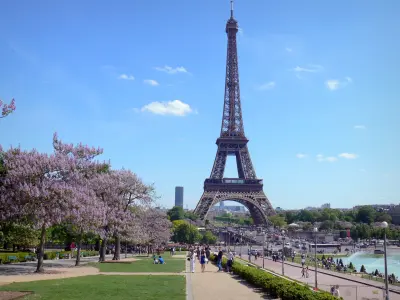
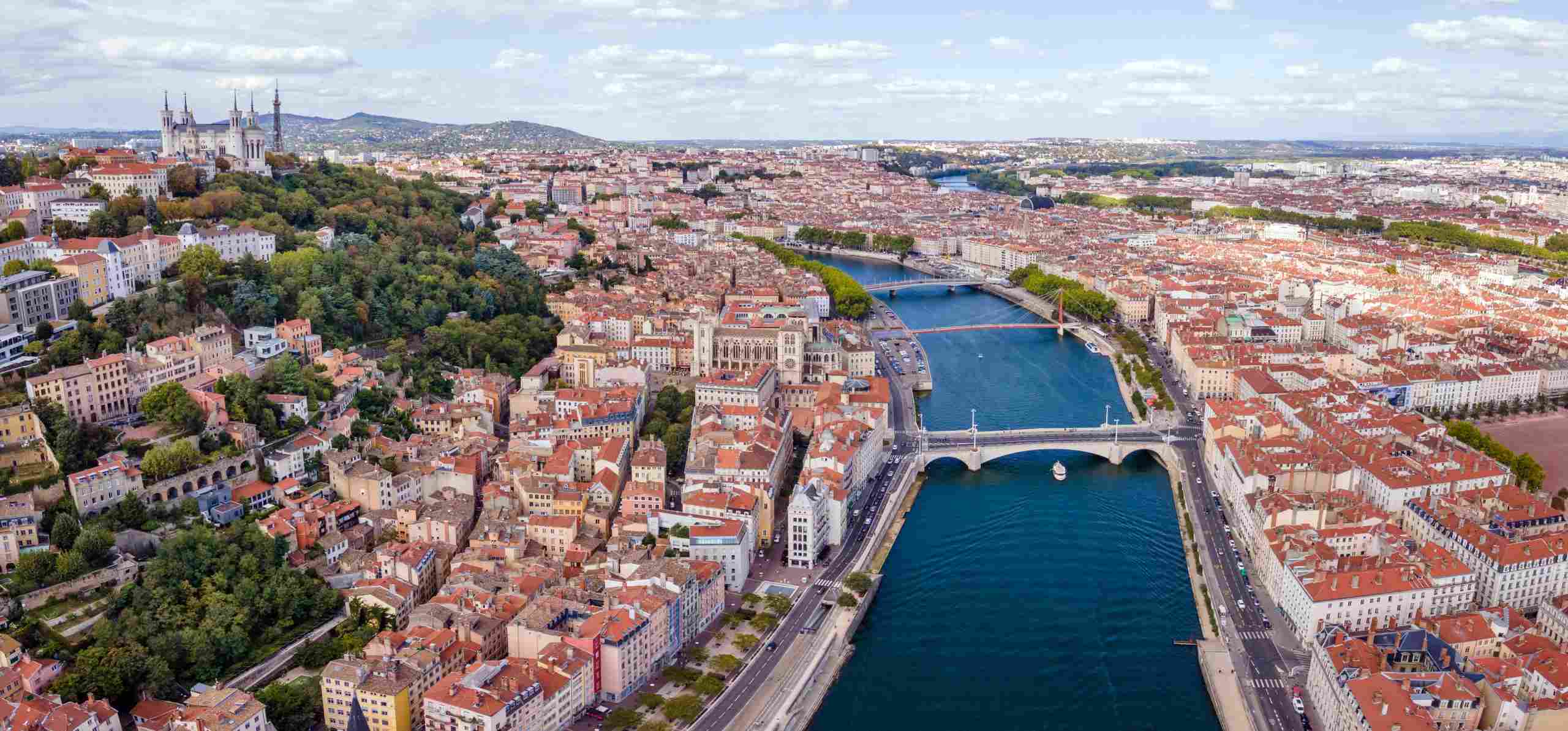
- Paris is only the beginning: While Paris is France’s best-known city, many travelers also build trips around Nice, Lyon, Marseille, Bordeaux, Strasbourg, Toulouse, Lille, Nantes and Montpellier.
- UNESCO richness: France has dozens of UNESCO World Heritage Sites, including Mont Saint-Michel, Chartres Cathedral, the Loire Valley, Carcassonne, Strasbourg’s historic center and parts of Paris along the Seine.
- Palace and castle country: Versailles, Fontainebleau, Chambord, Chenonceau, Amboise and many Loire Valley châteaux show the royal, Renaissance and architectural depth of France.
- Strong regional identity: France is not one single travel style. Brittany, Normandy, Alsace, Provence, the Alps, the Pyrenees, Corsica, Burgundy and the French Riviera all feel very different.
- Train-friendly travel: France’s TGV and intercity rail network makes it practical to combine Paris with Lyon, Strasbourg, Bordeaux, Marseille, Lille, Avignon, Nice and other major cities without renting a car.
- Best first-time rhythm: A strong France itinerary usually combines one major city, one historic region, one nature/coastal area and one slower local base instead of trying to rush the whole country.
- Family-friendly options: Disneyland Paris, Parc Astérix, Puy du Fou, science museums, castles, beaches, gardens, river cruises, caves and Alpine lakes make France very manageable for families.
- Nature variety: France offers Mediterranean beaches, Atlantic coastlines, Alpine peaks, Pyrenean valleys, lavender fields, forests, volcanoes, lakes, gorges and island escapes.
- Historic layers: Roman arenas in Nîmes and Arles, medieval towns like Carcassonne, Gothic cathedrals, royal palaces and WWII sites in Normandy give France a very deep history route.
- Museum power: The Louvre, Musée d’Orsay, Centre Pompidou, Mucem, Lyon museums, Normandy memorial museums and regional art spaces make France one of Europe’s strongest museum destinations.
- Halal-friendly in big cities: Paris, Lyon, Marseille, Lille, Nice, Toulouse and Strasbourg have many halal-friendly restaurants, especially Turkish, North African, Middle Eastern, South Asian and Balkan options.
- Tap water is usually safe: Tap water is safe to drink in most of France. Public fountains are also common in many towns, but always check signs if a fountain says “non potable.”
- Better alternatives to nightlife: Evening walks, Seine river views, old-town strolls, dessert cafés, sunset viewpoints, family attractions, museum late openings, night markets and coastal promenades are strong non-nightlife options.
- Season matters: Spring and early autumn are usually the best-balanced travel periods. Summer is best for beaches and mountains but can be hot, crowded and more expensive in major tourist zones.
Frequently Asked Questions
Do I need a visa to visit France?
France is part of the Schengen Area. Visa rules depend on your nationality. Some travelers can enter visa-free for short stays, while others need a Schengen visa before travel.
When is the best time to visit France?
April to June and September to early October are usually the best-balanced months for cities, sightseeing, road trips, gardens, castles and mild weather. July and August are popular for beaches and mountains but can be crowded and expensive.
Is France safe for tourists?
Yes. France is generally safe for tourists, especially in main visitor areas. Still, watch belongings in busy metro stations, train stations, markets, major landmarks and crowded city centers, especially in Paris and large cities.
Can I drink tap water in France?
Yes. Tap water is generally safe to drink in France. If a public fountain or tap is not drinkable, it is usually marked with “eau non potable”.
What emergency number should tourists know in France?
Call 112 for emergency help across the EU. In France, you can also use 15 for medical emergency, 17 for police and 18 for fire service.
What is the best way to get around France?
For longer distances, TGV and intercity trains are usually the most convenient. In cities, use metro, tram, buses and walking. A rental car is useful for villages, countryside, Provence, Dordogne, Normandy coast, Alps and smaller regions.
How many days do I need in France?
7 to 10 days is a good first France trip if you want Paris plus one or two regions. For a deeper trip with Riviera, Loire, Normandy, Provence or Alps, 12 to 14 days is more comfortable.
Is France good for halal travelers?
Yes, especially in larger cities such as Paris, Lyon, Marseille, Lille, Nice, Toulouse and Strasbourg. Halal options are common in many neighborhoods, but strict halal travelers should confirm certification, meat sourcing and cross-preparation directly.
What should I wear in France?
Comfortable walking shoes are essential. In cities, smart-casual clothing works well. For religious sites, villages, upscale restaurants or classical venues, slightly more modest and polished clothing is practical.
Is Paris enough for a France trip?
Paris is a strong starting point, but France is much broader. Adding places like Versailles, Loire Valley, Normandy, Lyon, Strasbourg, Nice, Marseille, Bordeaux or Provence gives a much better feel for the country.
Are French trains easy for tourists?
Yes. Trains are one of the easiest ways to travel between major French cities. Book high-speed TGV routes early for better prices, and always check the departure station because big cities may have multiple train stations.
What are better family-friendly evening alternatives to nightlife in France?
Good options include river walks, evening viewpoints, dessert cafés, old-town strolls, family attractions, coastal promenades, night markets, illuminated landmarks and relaxed restaurant areas instead of nightlife-focused plans.