Things To Do in Germany (2026)
Plan your 2026 trip to Germany – best time to visit, visas, safety, daily costs, Berlin, Munich, Hamburg, Cologne, Frankfurt, Dresden, Heidelberg, Nuremberg, the Rhine Valley, Black Forest, Bavarian Alps, castles, museums, Christmas markets, family travel, halal food notes, rail travel and practical advice for one of Europe’s most powerful and best-connected countries.
Germany Country Facts & Travel Information
Did You Know?
- Berlin Wall: The Berlin Wall fell in 1989, becoming one of the strongest symbols of the Cold War’s end and Germany’s reunification.
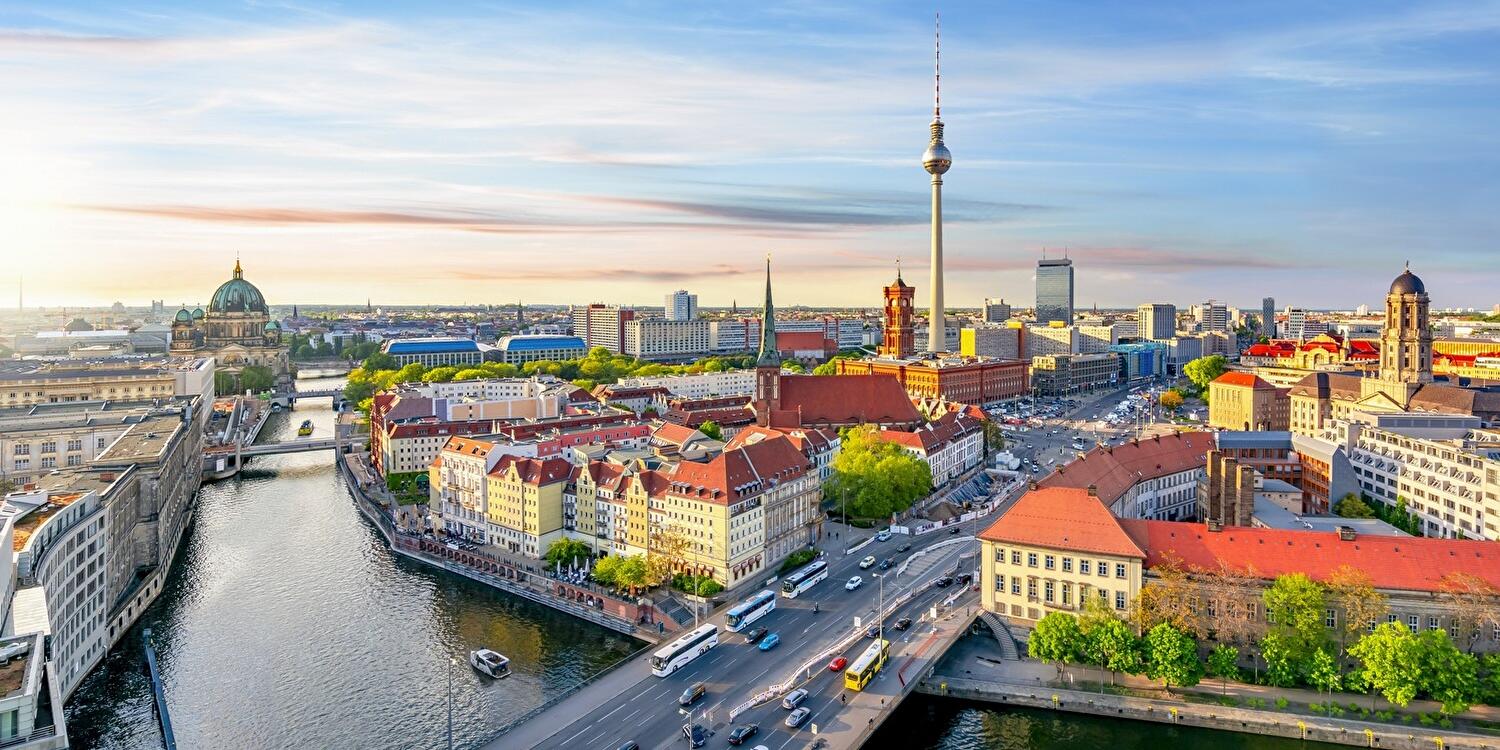
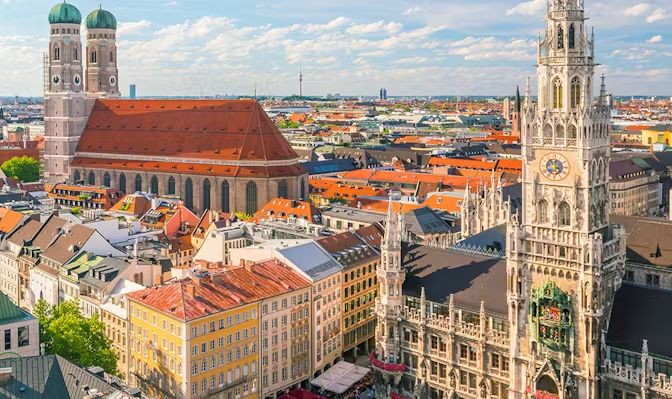
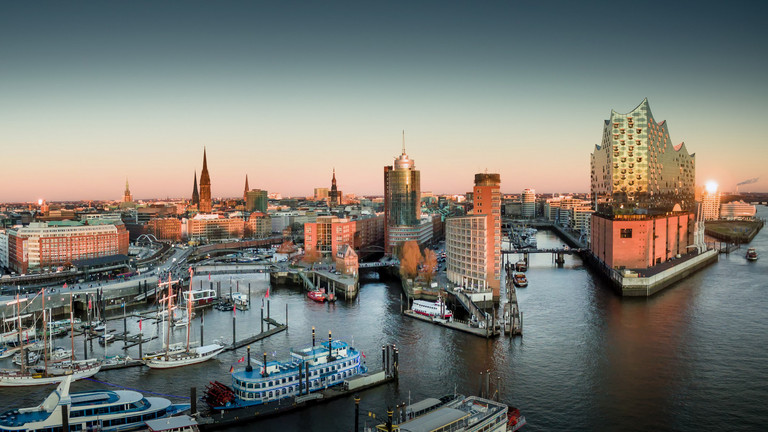
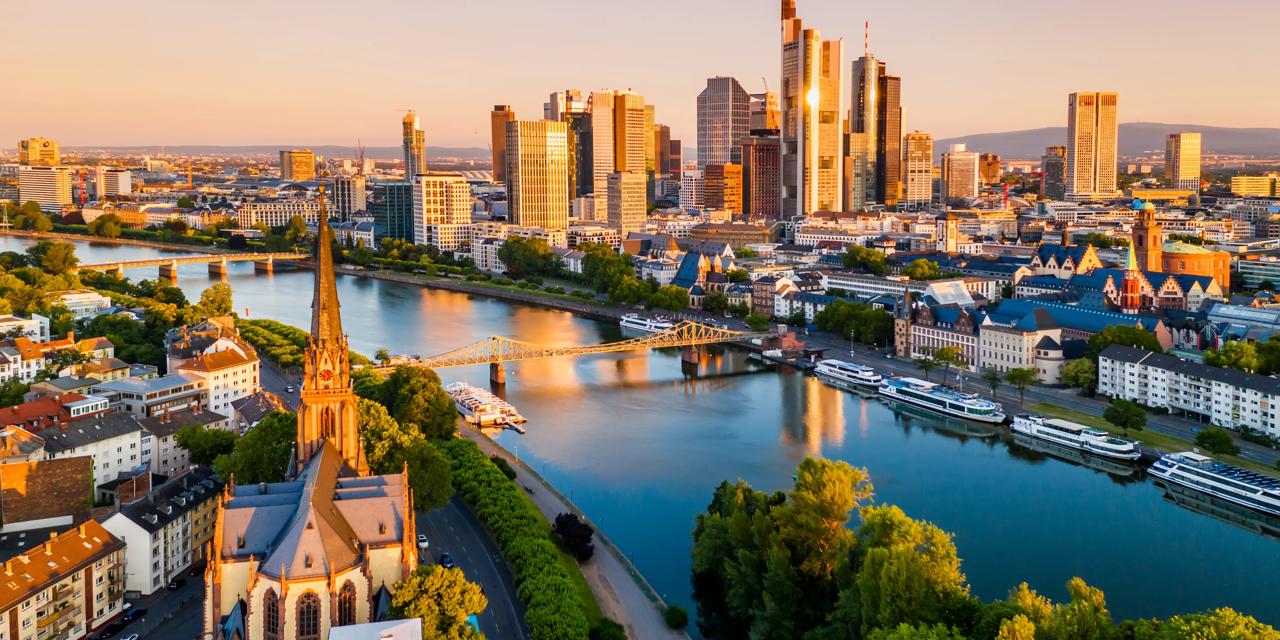
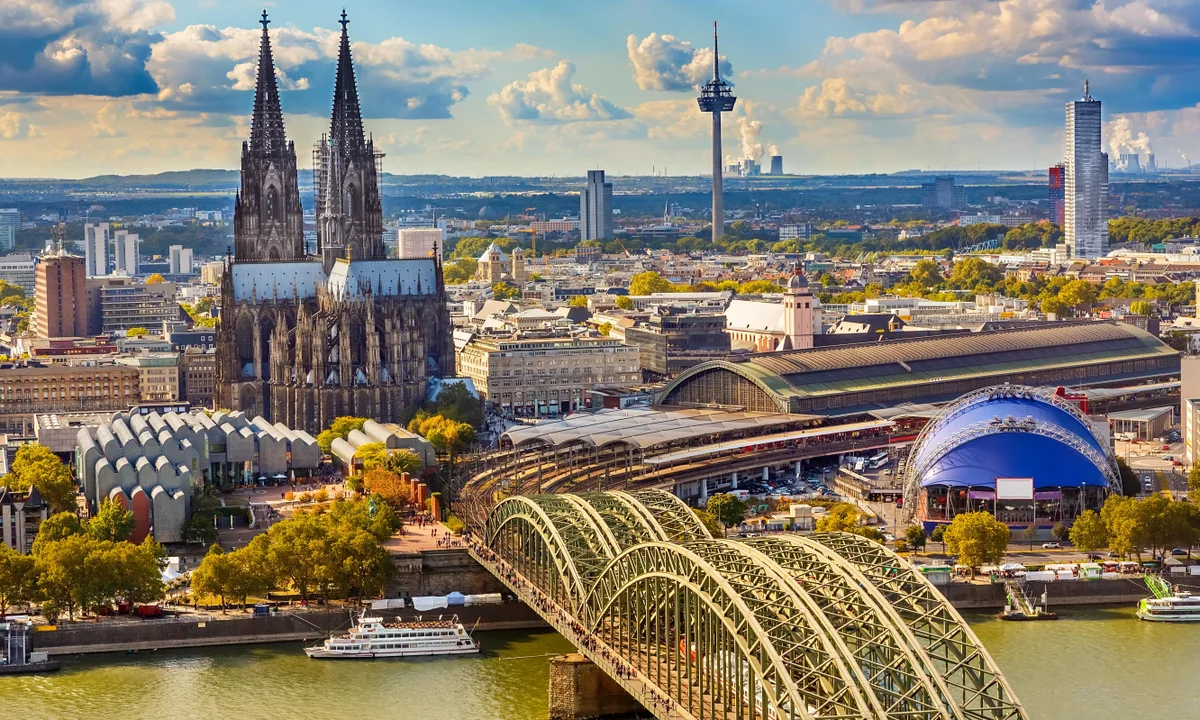
- Germany is more than Berlin: Berlin is the capital and cultural giant, but Germany also shines through Munich, Hamburg, Cologne, Frankfurt, Dresden, Heidelberg, Nuremberg, Leipzig, Freiburg and Lübeck.
- Four-season travel: Germany works well year-round — spring for city breaks, summer for lakes and hiking, autumn for forests and river valleys, and winter for Christmas markets.
- Castles are everywhere: Germany is home to thousands of castles, palaces and castle ruins, from Rhine Valley fortresses to Bavarian royal residences and quiet hilltop sites.
- UNESCO heritage: Germany has 55 UNESCO World Heritage properties, including Cologne Cathedral, Aachen Cathedral, Museum Island, Bamberg Old Town, Regensburg Old Town and the Wadden Sea.
- Autobahn reality: Some sections of Germany’s Autobahn have no general speed limit, but posted limits, construction zones and safety rules still matter.
- Renewable electricity: Renewable energy sources supplied about 55.1% of Germany’s electricity demand in 2025, with wind and solar playing major roles.
- Rail travel is useful: Trains connect many major cities, but booking early, checking transfer times and comparing regional tickets can save money and stress.
- Cash still matters: Cards and mobile payments are common, but some smaller cafés, local bakeries, markets and rural places may still prefer cash.
- Bread culture is huge: Germany is famous for bakeries, pretzels, rye bread, seeded rolls and regional baked goods that make easy budget-friendly meals.
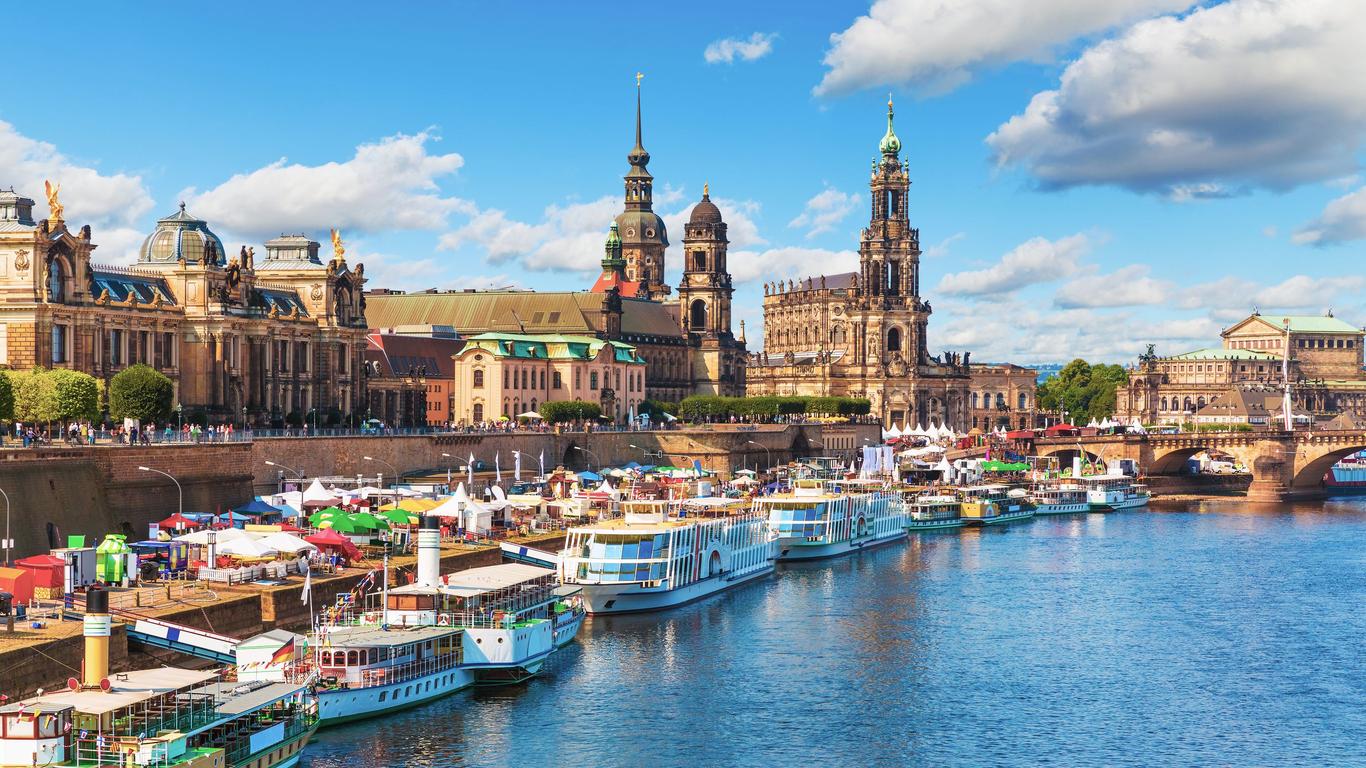
- Christmas markets: Germany’s Christmas market tradition is world-famous, with Dresden’s Striezelmarkt often traced back to 1434.
- Black Forest scenery: The Black Forest is known for wooded hills, spa towns, cuckoo clocks, waterfalls, lakes and fairy-tale style villages.
- Family-friendly evenings are easy: Good alternatives to nightlife include illuminated old towns, river walks, Christmas markets, museums, theatre, family restaurants, viewpoints, harbor walks and castle areas.
- Halal-friendly options are strongest in cities: Berlin, Frankfurt, Cologne, Hamburg, Munich, Düsseldorf, Stuttgart and larger university cities usually have halal-friendly, vegetarian, seafood and international dining options. Strict halal travelers should still confirm certification, meat source and cross-contact directly.
- Distances can surprise visitors: Berlin to Munich, Hamburg to the Black Forest, or Frankfurt to the Alps are very different travel plans. Some routes work better by train, while countryside, castles and villages may need a car or guided day trip.
Frequently Asked Questions
Do I need a visa or ETIAS to visit Germany?
Entry rules depend on your nationality, passport, residence status and trip purpose. EU and Schengen citizens do not need a visa. Many visa-exempt non-EU visitors can stay in the Schengen Area for up to 90 days in any 180-day period. ETIAS is expected to start in the last quarter of 2026, but travelers do not need to apply until the system officially launches.
When is the best time to visit Germany?
May to September is best for warmer weather, city walks, castles, lakes and hiking. September and October are strong for autumn scenery and fewer crowds. December is ideal for Christmas markets in cities such as Dresden, Nuremberg, Cologne, Munich, Frankfurt and Berlin.
Is Germany safe for tourists?
Germany is generally very safe and well organized for tourists. Use normal caution in crowded train stations, major squares, markets and large events where pickpocketing can happen. In nature areas, check weather, trail conditions and daylight before hiking.
Can I drink tap water in Germany?
Yes. Tap water in Germany is safe to drink almost everywhere and is strictly regulated. In restaurants, bottled water is often offered by default, but tap water itself is safe in normal mains-supply areas.
What emergency number should tourists know in Germany?
Dial 112 for ambulance and fire services, and 110 for police. The number 112 works across the European Union.
What is the best way to get around Germany?
For big cities, use public transport, walking routes and taxis or trusted ride apps. For city-to-city travel, trains are usually the easiest option on major routes. For castles, small villages, mountain areas and the Romantic Road, renting a car or joining a day tour can be more convenient.
How many days do I need in Germany?
5 to 7 days is enough for Berlin plus one or two city or castle day trips. 10 to 14 days works better for Berlin, Munich, Rhine Valley, Cologne, Hamburg, Dresden or the Black Forest. For a full Germany route with cities, castles, mountains and small towns, plan 2 to 3 weeks.
Is Germany good for halal travelers?
Yes, Germany can work well for halal-aware travelers, especially in larger cities. Berlin, Frankfurt, Cologne, Hamburg, Munich, Düsseldorf and Stuttgart usually have halal-friendly or vegetarian options. Strict halal travelers should confirm certification, meat source, alcohol use in sauces and cross-preparation directly.
Is Germany good for families?
Yes. Germany is strong for families thanks to museums, parks, castles, zoos, science centers, Christmas markets, boat trips, lakes, cable cars, playgrounds, scenic rail routes and easy city breaks. Families should avoid overpacking the itinerary and leave extra time for transport, weather and walking.
Can tourists drive in Germany?
Yes. Tourists can drive in Germany with a valid license for short stays. Non-EU visitors should check whether they need an International Driving Permit. Respect posted speed limits, parking rules, environmental zones and winter driving requirements where applicable.
Are shops open on Sundays in Germany?
Most regular shops are closed on Sundays. Exceptions include some stores at train stations, airports, gas stations and occasional city shopping Sundays known as verkaufsoffener Sonntag. Plan supermarket shopping ahead if you arrive on a weekend.
What are better family-friendly evening alternatives to nightlife in Germany?
Good options include illuminated old-town walks, river promenades, Christmas markets, family restaurants, theatre, classical concerts, evening museum areas, harbor walks in Hamburg, city viewpoints, castle areas, lakeside walks and relaxed public squares.