Things To Do in Turkey (2026)
Plan your 2026 trip to Turkey – best time to visit, visas, safety, daily costs, top attractions, Istanbul, Antalya, Cappadocia, Izmir, Ankara, Bursa, Pamukkale, Ephesus, the Turquoise Coast, Turkish food, culture and practical travel advice for one of Europe and Asia’s most exciting countries.
Turkey Country Facts & Travel Information
Best Tours & Tickets in Turkey
Trusted picks: hand-picked Turkey tour types that fit real visitor demand — Bosphorus cruises, Istanbul Old City walks, Cappadocia balloon flights, Pamukkale day trips, Ephesus ruins, Antalya boat tours and classic bazaar experiences.
Did You Know?
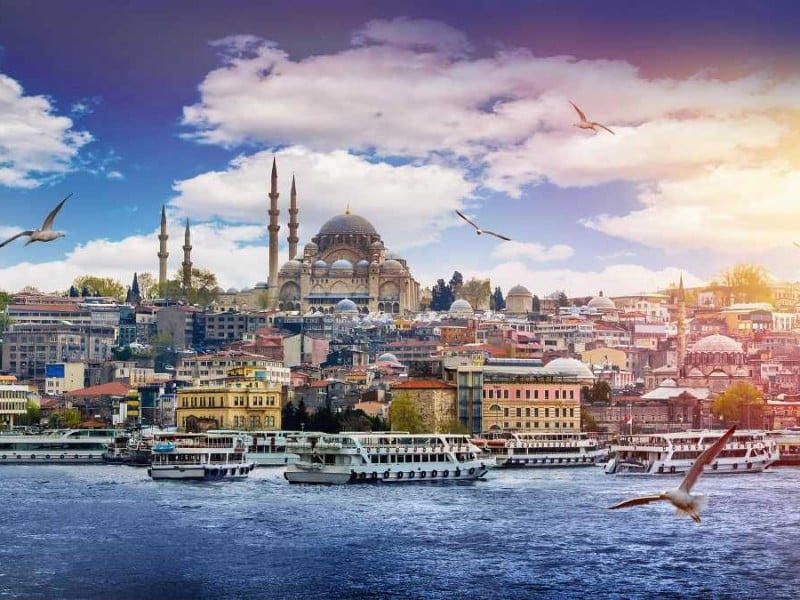
- Two-continent travel experience: Turkey connects Europe and Asia, with Istanbul’s Bosphorus, Ottoman palaces, Byzantine landmarks, bazaars, ferries and skyline views creating one of the world’s most memorable city breaks.
- More than Istanbul and Cappadocia: First-time visitors often choose Istanbul, Cappadocia, Antalya, Pamukkale and Ephesus, but places like Mardin, Safranbolu, Amasra, Kaş, Datça, Trabzon, Konya and Gaziantep can feel more local and authentic.
- Cappadocia is a landscape, not just balloons: Hot air balloons are famous, but Cappadocia also offers cave churches, underground cities, hiking valleys, viewpoints, pottery towns and family-friendly sunrise scenery.
- Ancient history is everywhere: Turkey has major archaeological sites such as Ephesus, Troy, Pergamon, Hierapolis, Aphrodisias, Göbekli Tepe, Aspendos, Perge, Xanthos and many Lycian, Roman, Greek, Byzantine and Seljuk remains.
- Huge coastline variety: Antalya, Kaş, Fethiye, Bodrum, Marmaris, Datça, Çeşme and the Aegean islands offer beaches, boat trips, old towns, ruins, family resorts and calm coastal villages.
- Black Sea Turkey feels different: Trabzon, Rize, Uzungöl and Ayder Plateau offer green mountains, tea fields, wooden houses, waterfalls and misty valleys very different from the Mediterranean coast.
- Food culture is regional: Istanbul, Gaziantep, Adana, Konya, İzmir, Trabzon, Bursa and Mardin all have different food identities, from kebab and baklava to pide, börek, seafood, soups, rice dishes and family-style breakfasts.
- Halal travel is usually easy: Turkey is generally very manageable for Muslim travelers, with many halal-friendly restaurants, mosques, prayer facilities and family-friendly options. Strict travelers should still confirm ingredients and preparation where needed.
- Family-friendly evenings are strong: Good alternatives to nightlife include Bosphorus walks, ferry rides, sunset viewpoints, old-town strolls, tea gardens, family restaurants, illuminated mosques, bazaars, coastal promenades and cultural performances.
- Distances can surprise visitors: Turkey is large. Istanbul to Cappadocia, Antalya, Trabzon or eastern Turkey requires careful planning by flight, long-distance bus, rental car or overnight route.
- Public transport helps in big cities: Istanbul has metro, tram, ferry, Marmaray and bus connections, while Ankara, İzmir, Bursa and Antalya also have useful local transport. In historic centers, walking is often still the best way to explore.
- Best first-time rhythm: A balanced Turkey itinerary usually works better when it combines one big city, one ancient site, one nature or coast stop and one slower local town or village.
- Shopping is part of the culture: Grand Bazaar, Spice Bazaar, local markets, carpet shops, ceramics, textiles, spices, sweets and handmade crafts are part of the travel experience. Polite bargaining can be normal in some market settings.
- Seasons matter a lot: Spring and autumn are often the most comfortable for Istanbul, Cappadocia, Ephesus, Pamukkale and city sightseeing. Summer is popular for beaches but can be very hot, while winter can be good for museums, quiet cities and ski areas.
- Small towns are a major strength: Safranbolu, Amasra, Şirince, Cunda, Alaçatı, Kaleköy, Assos, Akyaka and Mardin show how much Turkey offers beyond the famous headline routes.
Frequently Asked Questions
Do I need a visa to visit Turkey?
Turkey visa rules depend on your nationality, passport type, trip length and purpose of travel. Some travelers can enter visa-free for short stays, while others may need an e-Visa or regular visa before travel. Always check the official rule for your passport before booking.
When is the best time to visit Turkey?
April to June and September to October are often the best-balanced months for Istanbul, Cappadocia, Ephesus, Pamukkale, Antalya old town and classic sightseeing routes. July and August are popular for beaches but can be hot and busy, while winter works for museums, quiet city breaks and ski areas.
Is Turkey safe for tourists?
Most major tourist routes are manageable with normal travel awareness. Keep your passport secure, watch bags in crowded bazaars and stations, use official taxis or trusted transport apps where available, avoid unlicensed guides and check local guidance before visiting remote border areas or isolated regions.
Can I drink tap water in Turkey?
Tap water may be treated in many cities, but many travelers prefer bottled or filtered water, especially for short trips or sensitive stomachs. In hotels, restaurants and rural areas, ask locally if you are unsure.
What emergency number should tourists know in Turkey?
The main emergency number in Turkey is 112. It is used for urgent emergency calls and can connect you with the relevant emergency service. Hotels, local hosts and visitor centers can also help with translation and non-emergency support.
What is the best way to get around Turkey?
For long distances, domestic flights and intercity buses are common. In Istanbul, ferries, metro, tram and Marmaray are very useful. Rental cars can work well for the Turquoise Coast, Cappadocia, Black Sea routes and smaller towns, but big-city driving and parking can be stressful.
How many days do I need in Turkey?
7 to 10 days is enough for a classic first route such as Istanbul, Cappadocia and Ephesus or Pamukkale. For a more comfortable trip with Antalya, Fethiye, Bodrum, Trabzon, Mardin or the Black Sea region, 12 to 14 days works better.
Is Turkey good for halal travelers?
Turkey is generally very good for halal travelers because halal-friendly food, mosques and family-friendly facilities are common. Still, strict halal travelers should ask about meat source, ingredients and preparation in mixed or tourist-focused restaurants.
Can tourists drive in Turkey?
Many tourists rent cars for Cappadocia, the Aegean coast, the Turquoise Coast, Black Sea plateaus and rural routes. In Istanbul, Ankara and busy coastal towns, traffic and parking can be difficult. Always check license rules, insurance, toll roads, fuel policy and parking before renting a car.
What should I wear in Turkey?
Comfortable walking shoes are essential for old towns, ruins, bazaars and cobbled streets. Bring modest clothing for mosques and religious sites. For summer, pack light breathable clothing; for spring and autumn, bring layers; for Cappadocia mornings, mountains and winter trips, bring warmer gear.
Is Istanbul or Cappadocia better for a first Turkey trip?
Istanbul is better for history, mosques, palaces, bazaars, food and Bosphorus views. Cappadocia is better for surreal landscapes, balloon views, cave hotels, valleys and underground cities. For a first Turkey trip, combining both gives a strong mix of city culture and natural scenery.
What are better family-friendly evening alternatives to nightlife in Turkey?
Good options include Bosphorus ferry rides, sunset viewpoints, tea gardens, old-town walks, bazaars, family restaurants, coastal promenades, illuminated mosque views, cultural shows, dessert stops, marina walks and relaxed waterfront areas.